01 Define the policy outcome
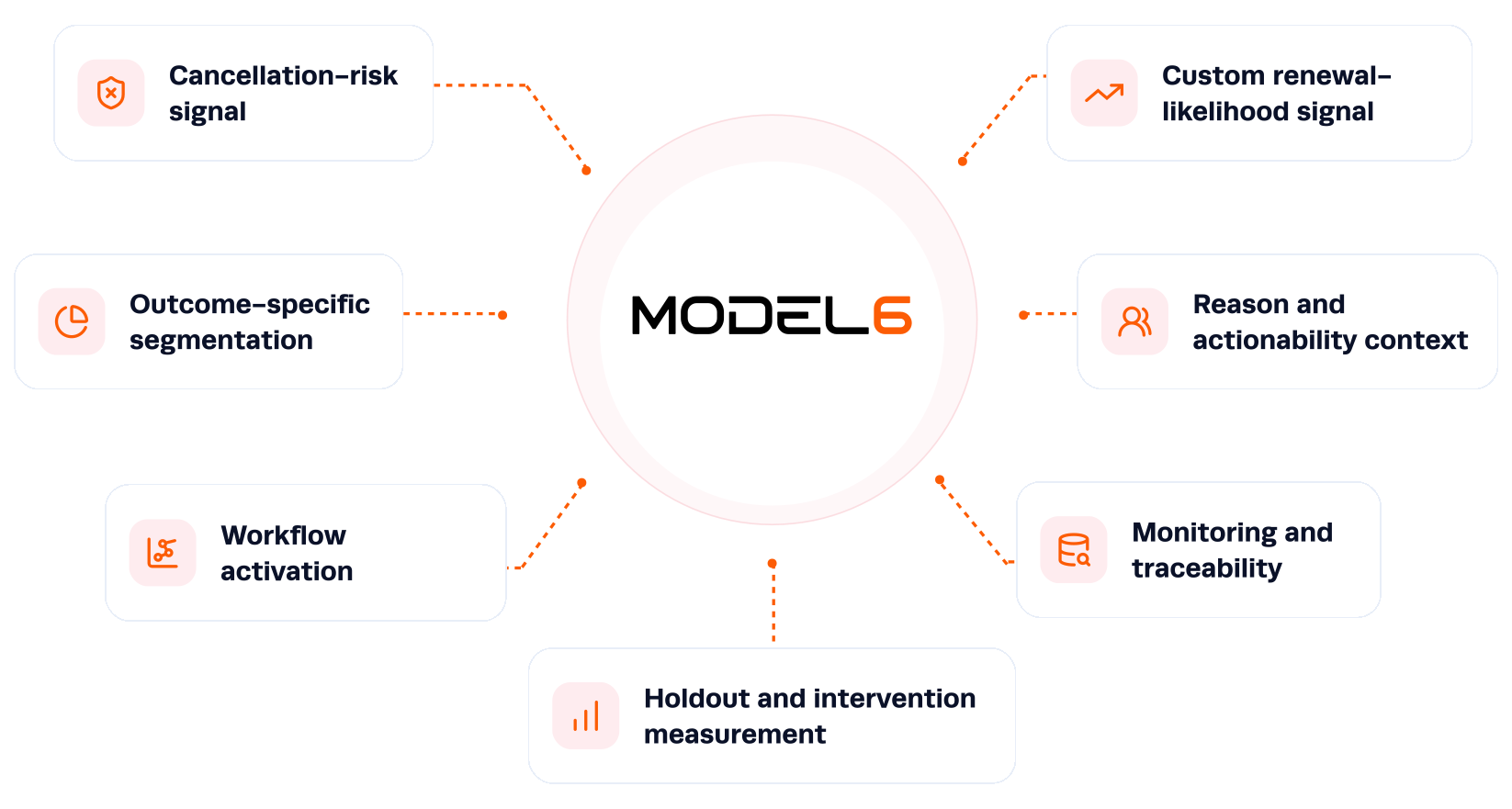
Specify cancellation, lapse, non-renewal, renewal, or another outcome with the eligible population, prediction window, exclusions, contact permissions, and decisions outside the model.
02 Prepare approved lifecycle data
Join and document the relevant policy, billing, payment, claims, service, distribution, digital, customer, and historical outcome data.
03 Build the predictive signal
Configure a Policy Cancellation Predictor or develop a custom renewal-likelihood model for the insurer's defined products, channels, population, and horizon.
04 Validate performance and actionability
Test calibration, lift, stability, leakage, reason quality, segment performance, proxy concerns, and whether a permitted action exists.
05 Score and prioritize policies
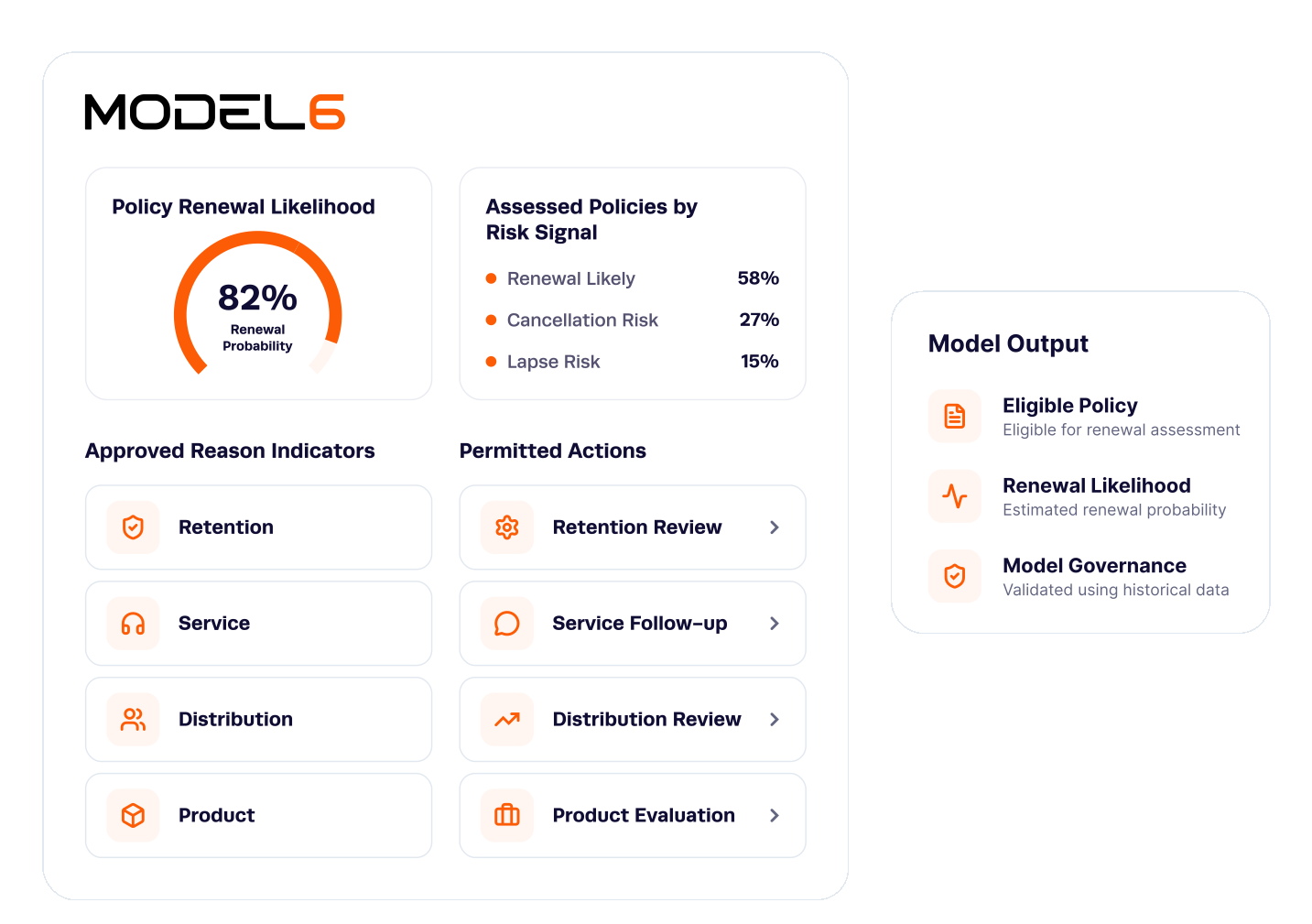
Deliver the probability, priority band, and approved reason indicators by batch or API at the selected lifecycle point.
06 Activate the approved intervention
Create tasks, queues, reminders, service journeys, agent follow-up, or conversational outreach under insurer-defined permissions.
07 Measure outcome and model health
Track contact, response, policy outcome, holdouts, cost, margin, customer impact, overrides, drift, and model version.